The HTML
It provides the structure or outline of a page (the bones). For example,
- < head >
- < title > < /title >
- < head >
- < /head >
- < body >
- < h1 > < /h1 >,< h2 > < /h2 >,< h3 > < /h3 >
- < body />
- < html />
CSS –
The way a web page or site appears (The skin and makeup): Colors, alignment, positioning, shadows, etc
JavaScript –
In this programming language, you may utilize dynamic elements like calls to action, interactivity, and movement.
It allows for a wide range of possibilities in your website, from calls to actions to interactivity and motion. It appears to be impossible, which is due to its complexity. Some people spend their entire lives working in this area.
CMS –
A content management system (CMS) is a piece of computer software that aids with the creation and management of digital content for businesses. The exact capabilities of each CMS may be different, but many let you develop your website using it.
Meta Tags
Meta tags are HTML elements utilized by Google bots to index the content of your page and by users to the site’s user interface. There are many different meta tags, so we’ll review the most critical ones for the law firm SEO. We want to provide you with an overview of the meta tags that potentially impact your Google visibility and presence. Here are some meta tags you may expect while developing your site:
- Title Tags
- Meta Description Tags
- Heading Tags (H1-H6)
- Image Alt Attributes
- Nofollow Attributes
- Robots Meta Tag
- Schema Markup
- Social Media Meta Tags
The following are the essential tags to include on your legal business’s website:
Meta Title
The meta title tags are HTML elements used to describe a website. Title tags are the most important of all meta tags regarding how they influence any page’s online performance with lawyer SEO. A title tag informs Google and visitors about your site and allows you to introduce your business.
Creating the ideal meta title follows a few simple rules:
- Put the most important keywords near the start of your title sinceGoogle and users read from left to right.
- Keep your title short because Google will truncate it and use an ellipsis after somewhere between 56 and 62 characters (…).
- Even if Google shortens your title, it reads at least 70 characters, and users cannot read the full title. This results in fewer clicks. Therefore you must strike a delicate balance
- For each page, you must have a distinct title. Titles may be duplicated. You can include your law firm’s name at the end of each title. However, it is preferable to start your title with your key term. Google reads left to right like humans. Thus it pays more attention to the keywords in the beginning.
- Keeping your law firm’s name to the right of the title result serves several purposes. This helps to promote your company, even if a person does not click on your listing in the SERPs.
Getting your pages indexed by Google is essential, but it is not enough. You also need to maintain them, so you’ll have to update the content regularly. Delete all search terms from your website that are no longer relevant and focus on new ones instead (titles). Keep in mind that titles aren’t one-time
Meta Image Tags
The meta tags are best practice in SEO services for lawyers, also known as the image alt tags attribute, tell Google what’s inside an image you have on your website.
Meta image tags have two purposes. First and foremost, they allow Google to understand your photo. Second, and more significantly, they assist individuals with limited eyesight or who are having trouble viewing the picture loading.
Here are some suggestions for putting an effective image tag:
- Keep your description to a minimum and the point
- In your description, avoid using words like picture or photo.
- For each photograph, make sure to create unique tags. Don’t use the same title for many pictures.
- Tags should not be used for images that only serve as part of the page’s aesthetic or design.
WordPress makes it simple to add and change your Image Alt Tags. You must go to your media File>Library and select the photograph you wish to optimize. WordPress will provide you with a text area where you may type the alternative text
Internal Linking
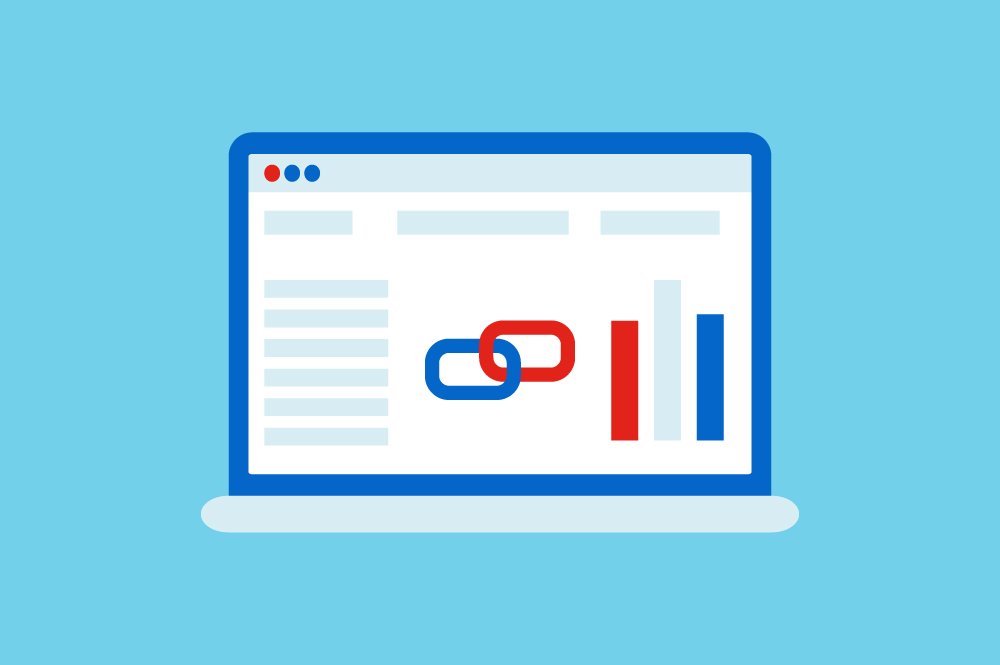
On-site SEO for lawyers revolves primarily around internal links. They can comprise any links which join one page of your firm’s website to another.
Google and other search engines can use the links you include in your page content to construct a structural picture and direct visitors to the most relevant information. Internal linking, when done correctly, improves your page authority.
It helps establish a hierarchy of the pages on your website, allowing you to provide more link value to the most important ones.
Internal linking may be implemented into a law firm’s website in various ways. To increase your Google search ranking organically, you should concentrate on links that impact it. The most SEO bang for your internal link buck is achieved by using these linking techniques in your articles:
It’s possible to connect pages with high authority to other sites on your site that have less control. This transfers authority and attorney SEO marketing value from one page to the next.
If specific pages on your company’s website aren’t ranking as highly as you’d like, you can link to them from more reputable pages.
Consider using some of the methods we covered in earlier chapters to help identify where you might add additional internal links. There’s a Top Linked Pages report on Google Search Console. Use it to see which pages on your site have the most authority and which ones you need to connect to raise your authority.
When you use internal linking, you create a framework for your website.
You improve usability by linking with an eye toward authority while still keeping your client-friendly navigation simple to follow.
Users make sure to spend more time on user-friendly sites with the assistance of law firm digital marketing agency, giving you the most excellent chances of converting a site visitor into a client
External Linking
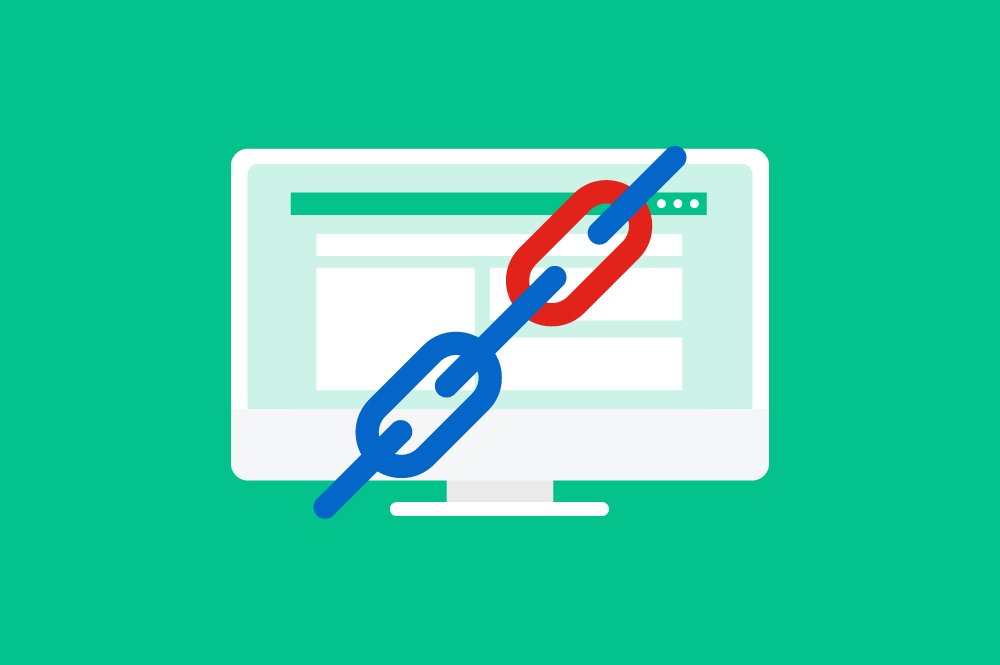
External links are also an excellent method to describe your material to search engines. These are links that connect two websites.
External links,often known as backlinks or link building, are used by the website receiving the link. When you create a link from your website to another, some of the trust the search engine has given your site is transferred to the counterpart.
That’s why they should only be utilized rarely. External links as SEO for law firms can be used for the following purposes
- Firstly, explain a concept with a respected expert who can provide more background and context
- Give credit where credit is due.
- For each photograph, make sure to create unique tags. Don’t use the same title for many pictures.
- To back up your argument with verifiable fact
-
Brand vs. keyword-focused domain
Several law-related domains are available, including .law, .lawyer, and others that depart from conventional.com or net.
From a brand management standpoint, it may be a good idea to protect your company’s name in various top-level domain URLs. Regarding SEO for law firm, there isn’t much distinction between .com, .law, .lawyer, and other variants.
Don’t assume that using the .law or .lawyer domain will help you rank faster on Google.
Even if you have a robust design, a well-planned law firm website structure, high-quality content, and authoritative links without exceptional SEO tactics you can’t reach the goal. This includes internal linking and external page optimization (SEO); you will likely not rank highly.
We would advise you to acquire a.com top-level domain if there’s a chance to do so; this may be tempting to go with the familiar alternatives. It’s not because it’s better than the other top-level domains that we suggest acquiring this one; instead, it’s due to users’ familiarity with this term.
-
Keywords and Content Umbrellas
Attorneys who operate online must achieve this goal by attracting potential clients via organic search. Optimizing your website with best practices is how you’ll entice visitors to find you organically.
Organize your material under a primary theme or umbrella using the keywords on each page. Remember, Google is a search engine that relies on relevance. You’ve already won half the battle by becoming more relevant.
To determine what keywords to target for your area and specialty, perform keyword research for your law firm website. They should then choose the site’s overall theme.
The site’s pages should be a subset of that theme. They should optimize for specific keyword phrase targeting. A personal injury lawyer might have a site with the significant concept being personal injury law.
Subcategories include medical malpractice, car accidents, truck accidents, motorcycle accidents, etc.
Organizing a website in this manner makes it simpler for visitors. They can find what they’re looking for and helps search engines index and deliver the content.
A well-structured website has the most SEO benefits. Users stay longer since things are easier to locate, which is suitable for Google and other search engines.
-
Make sure your actions are visible above the fold.
Lastly, attorneys should not make their visitors search for the answers they seek. If there’s anything you want users to accomplish, make it as simple and obvious as possible.
Keep CTAs, phone numbers, and other critical information above the fold. This is where a user would have to scroll down to view additional material.
-
To make your message more effective, break up text and tidy away clutter.
When people go online to look for attorneys or legal information, they don’t necessarily want to sift through a lot of text.
At the same time, attorneys must balance providing long-form content using local SEO for lawyers. It is for search and retaining visitors to their site.
Break up text with images or bulleted lists. This makes paragraphs shorter and easier to comprehend.
People are more likely to read your material when lines are more straightforward and there is white space between words.
Lawyers should also fight the urge to fill pages with too much information, imagery, or functionality as they are important for SEO for lawyer.
On sites where a user is prompted to take action, such as filling out a form, the call-to-action (CTA) must be visible and legible.
If the action is lost because of too much clutter on the page, or if users somehow distract themselves from their ideas and go somewhere else, it’s a problem. It’s not always what design you prefer; it works best for the user.