



























B2B Marketing Strategy

One strategy, every channel, priced in pipeline.

Our B2B marketing strategy services connect positioning, offer, channels, and CRM into one plan your board can measure.

Get My Strategy Plan

Six Strategy Gaps

Six Gaps a B2B marketing strategy has to close

Vague ICP.

We write your ICP as a thesis you can test: real pain, the buying trigger, and who signs.

Untested offer.

Pricing and packaging get tested with real buyers before paid spend scales up behind them.

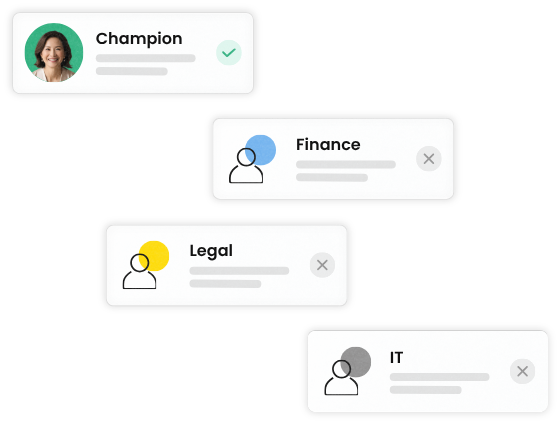
No committee map.

We map the people who decide, then arm each one with the answer they carry into the meeting.

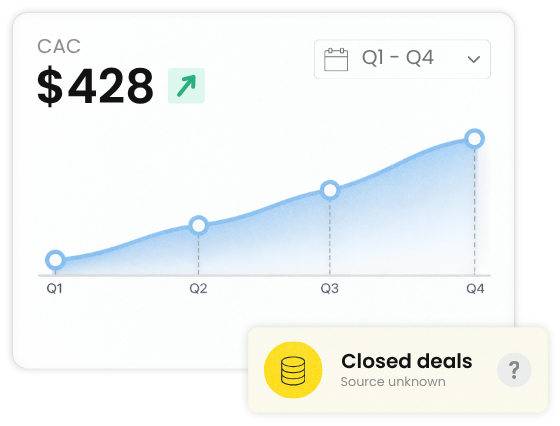
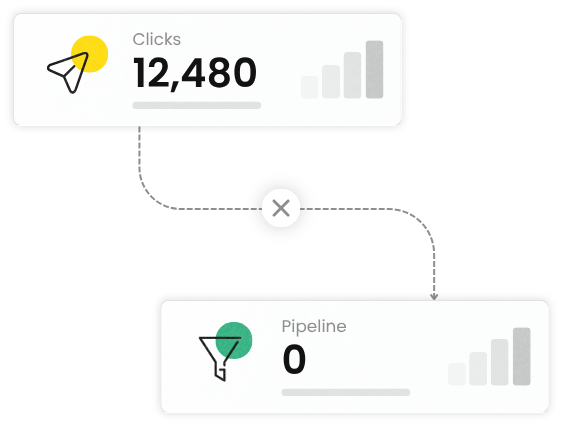
Attribution missing.

Revenue attribution goes live in your CRM first, so the strategy gets judged on real numbers.

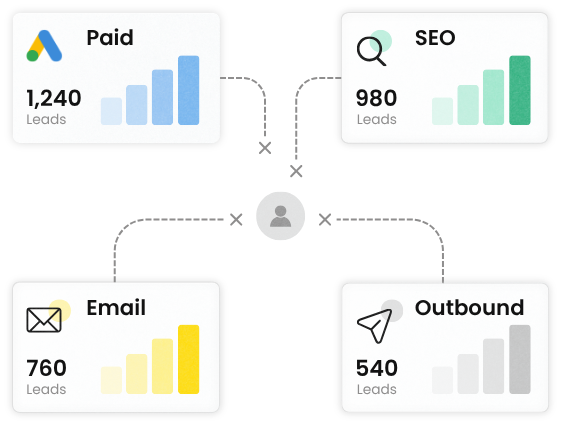
No channel P&L.

Every channel gets its own P&L thesis, so spend debates end with math instead of opinions.

No board scorecard.

You get a scorecard tied to pipeline and revenue, so reviews stop running on MQL counts.

How the System Starts

B2B Marketing Strategy is the first layer of the system.

Seven owned artifacts

What the strategy work delivers

Our marketing strategy services ship seven artifacts, each signed by an owner: positioning, an ICP and committee map, an offer stack, a channel P&L thesis, CRM attribution, a 12-month roadmap, and a board scorecard.


This is B2B GTM strategy your team can run on Monday. It is the same strategy layer we built inside engagements for Worldpay, Konica Minolta, and Halliburton, and every dollar of execution takes its orders from it.

demand_generation
paid_media

Strategy plus shipping

Four ways this work is different

One, we stay: consultants hand off a deck, we run the first 12 weeks of rollout. Two, every call gets a channel owner, a metric, and a review cadence. Three, one team writes the strategy and ships the campaigns, backed by 19+ years and a team across three continents.

Four, we decide what gets funded: every channel earns its spend in closed revenue, and the rest gets cut. Choices beat coverage.

Weeks one to twelve

From audit to a live scorecard

Built to move from week one.

Weeks 1 to 2: the B2B positioning and ICP audit, plus the buying committee map, signed by your leadership.

Weeks 3 to 6: the offer test, the channel P&L thesis, and CRM attribution live.

Weeks 7 to 12: one quick-win campaign in market, the first board scorecard, and the first scale test. The work is sequenced so your B2B marketing strategy shows up in pipeline by week twelve.

ai_agent_development
lead_generation

Board scorecard KPIs

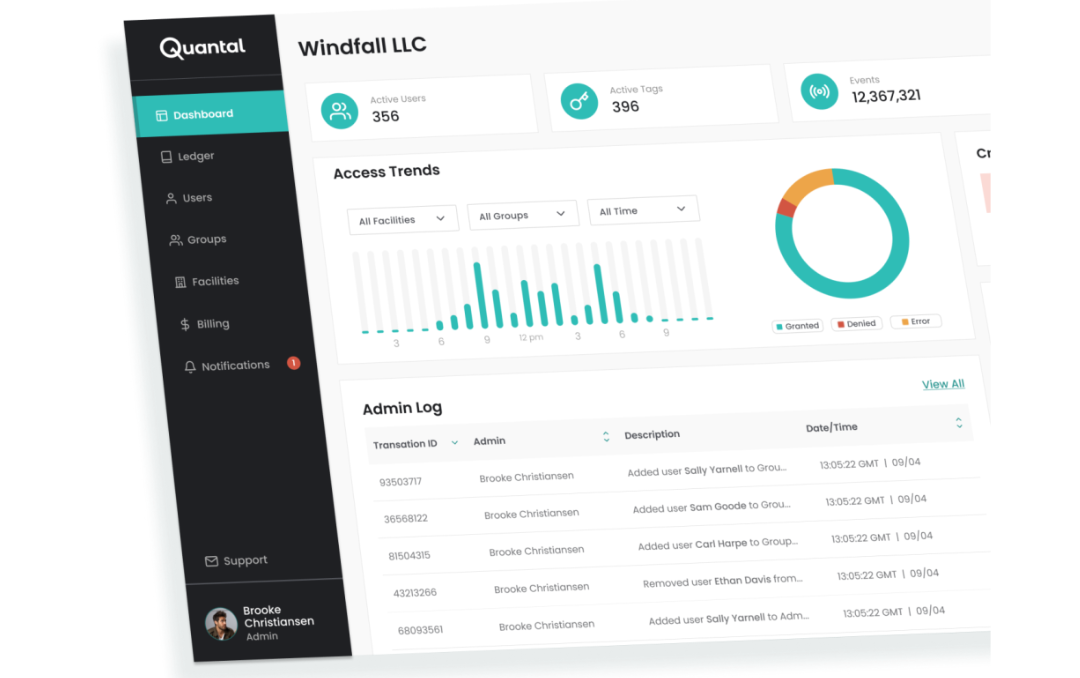
B2B marketing strategy scorecard

Five KPIs on one scorecard: qualified pipeline, CAC payback, win rate by ICP segment, sales cycle days, and marketing-sourced revenue. Gartner puts the typical B2B buying group at 6 to 10 decision makers who spend only 17% of the journey with vendors, so we track movement through the whole committee.

Every number runs inside your CRM where finance can audit it. That discipline is how our client engagements average a 230% ROI.

Client revenue on record

Numbers a CFO can pull apart and verify.

43% Qualified pipeline

B2B SaaS
35+ Enterprise appointments

B2B SaaS
65% Lower training costs

Enterprise Tech
$7.9M Pipeline influenced

Fintech
62% Lower cost per lead

Financial Services
3x More conversions

Law Firm

Start with the audit your stage needs.

One maps your whole engine. The other finds what to scale next quarter.

Demand
Audit

For teams that sense the leaks and need them priced.

Start the Audit
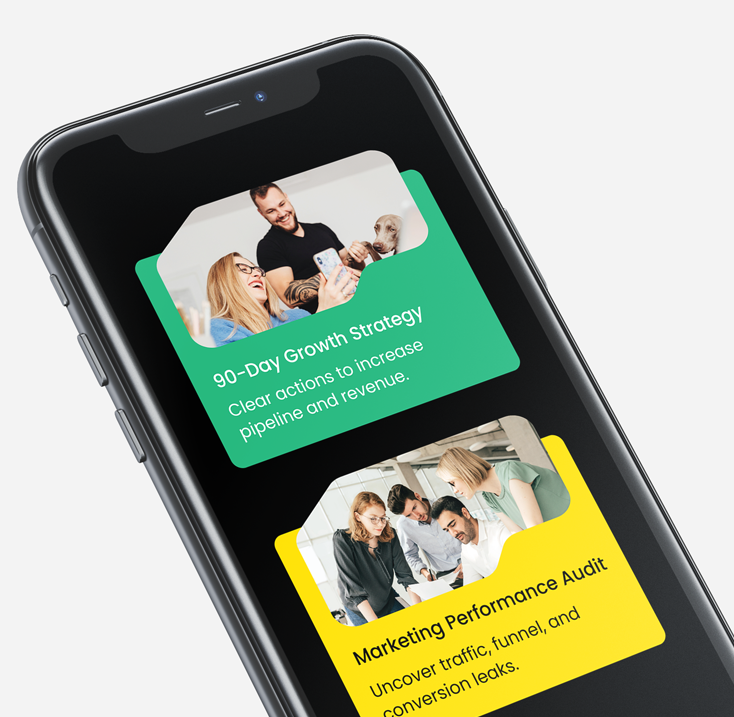
Growth marketing agency free marketing plan: 90-day growth strategy and marketing performance audit to uncover traffic, funnel, and conversion leaks

Pipeline Media Audit

For teams with traction deciding which channels to scale.

Run the Media Audit
  • Positioning statement you keep
  • ICP and committee map included
  • Channel spend priced in P&L
  • Attribution model in your CRM
  • Twelve-month strategy roadmap
  • Board scorecard shipped monthly
  • Written go/no-go recommendation

Who We Build For

Built for teams past the guessing stage.

Best match: B2B companies with high-value deals, long sales cycles, a live product, a sales team that works leads, and marketing spend already running.

We pass on pre-revenue, low-ticket B2C, and deck-only shoppers.

Tell us what's broken.

Questions strategy buyers ask us first

B2B Marketing Strategy FAQs

Seven artifacts: a positioning statement, ICP and buying committee map, offer stack, channel P&L thesis, CRM attribution model, 12-month roadmap, and a board scorecard. Each one has a named owner and sign-off, so it runs as a system instead of sitting in a deck.
A retainer buys execution in set channels. Digital marketing consulting decides what earns it: the buyer, the offer, the spend split, and the metrics. We do both, so strategy and campaigns come from one accountable team.
Five KPIs on one board scorecard: qualified pipeline, CAC payback, win rate by ICP segment, sales cycle days, and marketing-sourced revenue. All five run inside your CRM, so your finance team can audit every number.
A B2B marketing strategy build runs about 12 weeks. Most clients keep us through rollout, month to month, with 30-day notice and zero lock-in. Every artifact, dashboard, and playbook is yours to keep.
The build is sequenced for early movement: positioning signed by week two, attribution live by week six, one campaign and a scorecard by week twelve. Pace after that depends on your offer, market, and sales follow-up.
A B2B marketing strategy is a set of choices: who you serve, what you sell, why you win. A plan puts those choices on a calendar. Execution ships it. Most teams have a plan and a backlog, but no choices.

Ready to start growing?

Replace scattered tactics with one B2B marketing strategy tied to revenue.